
Tooth loss can affect more than just your smile. It can change how you eat, speak, and feel about yourself on a daily basis. For patients in Albany, NY who are missing one or more teeth, two of the most common treatment options are dental implants and dentures. While both restore function and appearance, they work in very different ways and offer very different long-term outcomes.
Choosing between dental implants and dentures is not just about cost or convenience. It is about durability, comfort, oral health, and how well the solution fits your lifestyle. Understanding the pros and cons of each option can help you make a confident, informed decision for your long-term oral health.
Understanding Dental Implants and How They Work
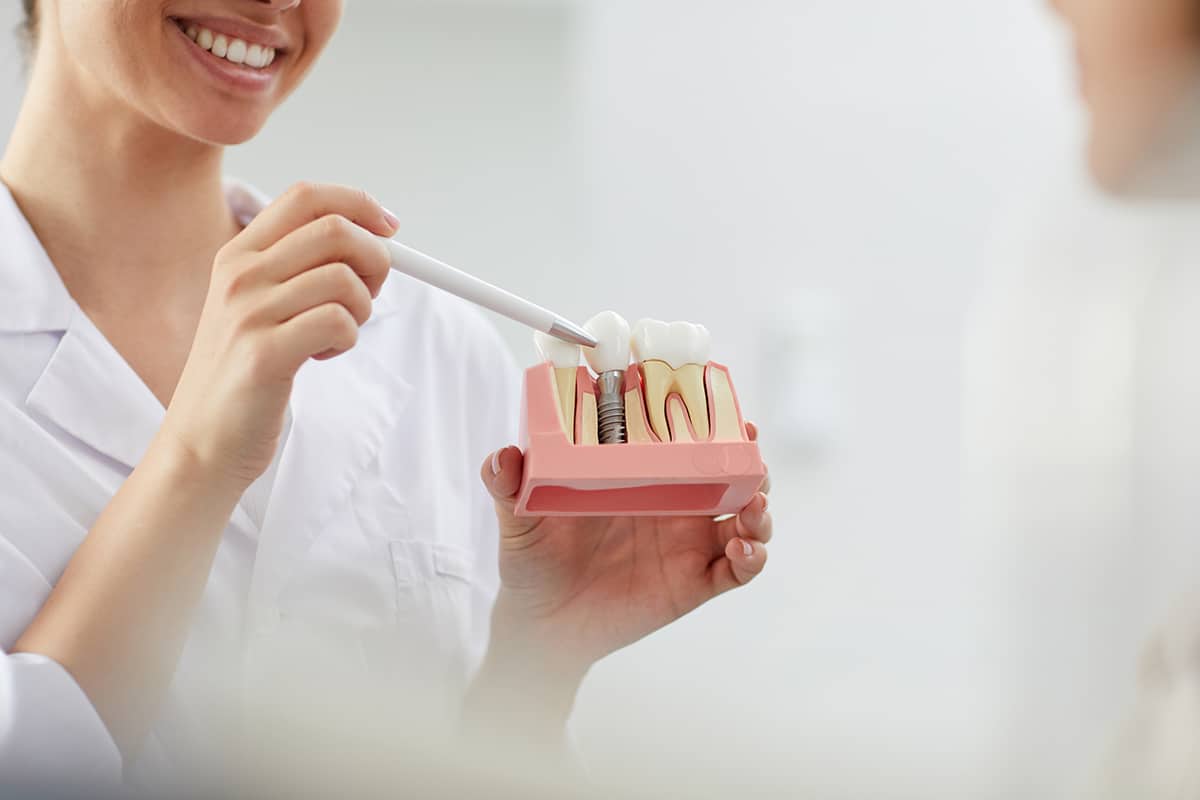
Dental implants are a permanent tooth replacement solution designed to function like natural teeth. A dental implant consists of a small titanium post that is surgically placed into the jawbone, where it replaces the missing tooth root. Over time, the implant fuses with the bone through a process called osseointegration, creating a strong and stable foundation.
Once the implant has healed, a custom crown, bridge, or denture is attached to the post. This restoration is carefully designed to match the color, shape, and size of your natural teeth, resulting in a seamless appearance. Because implants are anchored in the jawbone, they provide exceptional stability and do not rely on neighboring teeth for support.
At Capital Region Periodontics and Dental Implants, dental implants are often recommended for patients who want a long-lasting, natural-feeling solution for missing teeth. They can replace a single tooth, multiple teeth, or even support a full arch restoration.
What Dentures Offer and Their Limitations
Dentures are removable prosthetic devices designed to replace missing teeth. They can be full dentures, which replace all teeth in the upper or lower arch, or partial dentures, which replace several missing teeth while attaching to remaining natural teeth. Dentures have been used for decades and remain a common option for tooth replacement.
One of the main advantages of dentures is that they are typically more affordable upfront than implants. They also do not require surgery, which may appeal to patients with certain medical conditions or those who prefer a non-surgical option.
However, dentures come with limitations. Because they rest on the gums rather than being anchored in the jawbone, they can shift or slip, especially while eating or speaking. Over time, bone loss in the jaw can cause dentures to fit poorly, leading to discomfort, sore spots, and the need for frequent adjustments or replacements.
Long-Term Comfort, Stability, and Oral Health
When comparing dental implants and dentures, long-term comfort and oral health are key factors to consider. Dental implants are widely regarded as the most stable and comfortable tooth replacement option available. Because they integrate with the jawbone, implants feel secure and allow patients to chew a wide variety of foods without worry.
Implants also help preserve jawbone health. When a tooth is lost, the underlying bone begins to deteriorate due to lack of stimulation. Dental implants mimic natural tooth roots and stimulate the bone, helping to prevent bone loss and maintain facial structure. This can reduce the sunken appearance that often develops with long-term denture use.
Dentures, on the other hand, do not prevent bone loss. As the jawbone shrinks over time, dentures may become loose and uncomfortable. This can lead to difficulty eating certain foods and may require adhesives or frequent relines to improve fit. While dentures restore basic function, they typically cannot match the comfort and confidence provided by implants.
Cost Considerations and Overall Value
Cost is often one of the first concerns patients have when deciding between dental implants and dentures. Dentures generally have a lower initial cost, making them more accessible for some patients. However, it is important to consider the long-term financial picture.
Dentures often require ongoing maintenance, including adjustments, relines, repairs, and eventual replacement. Adhesives and special cleaning products also add to the long-term cost. Over many years, these expenses can add up.
Dental implants have a higher upfront investment, but they are designed to last for decades, and often a lifetime, with proper care. Because they do not need to be replaced as frequently as dentures, many patients find that implants offer greater long-term value. When evaluating cost, it helps to think beyond the initial price and consider durability, maintenance, and quality of life.
Lifestyle Differences Between Implants and Dentures
Your daily routine and lifestyle play a major role in determining which tooth replacement option is right for you. Dental implants function like natural teeth, allowing you to eat, speak, and smile with confidence. There is no need to remove them at night, and they are cared for just like natural teeth with regular brushing and flossing.
Dentures require a different level of daily care. They must be removed for cleaning and soaking, and many patients feel self-conscious about taking them out. Some foods may need to be avoided to prevent discomfort or slipping. For patients who value convenience and a natural feel, implants often provide a better fit for an active lifestyle.
For those seeking a secure and long-lasting solution, dental implants offered at Capital Region Periodontics and Dental Implants can provide the stability and freedom many patients are looking for.
Who Is a Good Candidate for Each Option?
Most healthy adults with missing teeth can be candidates for dental implants, but certain factors must be considered. Adequate jawbone density is necessary to support the implant, although bone grafting may be an option for patients with bone loss. Good overall health and healthy gums are also important for successful implant placement.
Dentures may be a suitable option for patients who are not candidates for surgery or who have significant medical conditions that affect healing. They can also be an interim solution for patients planning future implant treatment.
A consultation with a periodontist is essential to determine the best option for your individual needs. A personalized evaluation allows for a thorough assessment of your oral health, bone structure, and long-term goals.
Restoring Your Smile With a Solution Built to Last
When comparing dental implants and dentures, the best long-term choice depends on your oral health, lifestyle, and expectations. While dentures offer a more traditional and lower upfront cost solution, dental implants provide unmatched stability, comfort, and longevity. For many patients in Albany, NY, implants represent an investment in long-term oral health and quality of life. A professional evaluation can help you determine which option will best support your smile for years to come.
Frequently Asked Questions About Dental Implants
How long do dental implants last?
With proper care and regular dental visits, dental implants can last for decades and often a lifetime. The implant itself is designed to be permanent, while the crown may need replacement after many years of normal wear.
Are dental implants painful?
Most patients report minimal discomfort during and after implant placement. The procedure is performed with appropriate anesthesia, and any post-treatment soreness is typically manageable with standard pain relief methods.
We are proud to provide advanced periodontal and implant care at Capital Region Periodontics and Dental Implants. Our team is dedicated to helping patients restore their smiles with long-lasting, personalized solutions. If you are considering tooth replacement options, we invite you to contact us to schedule a consultation with our experienced team.